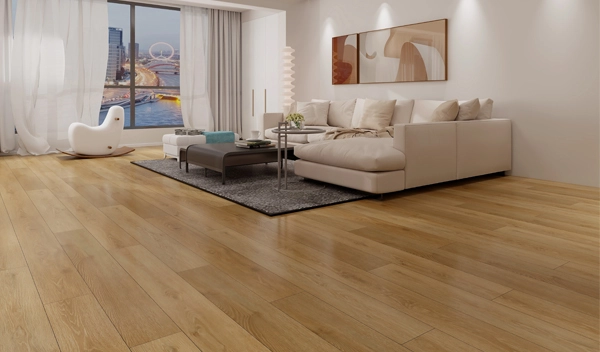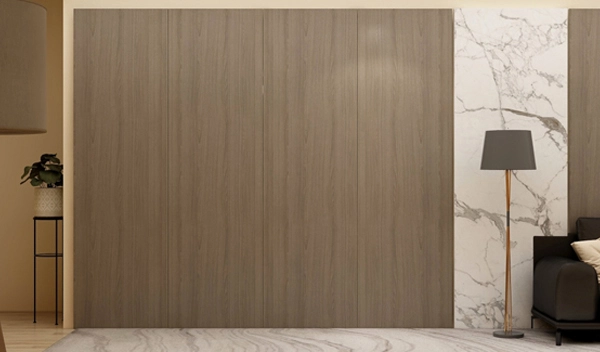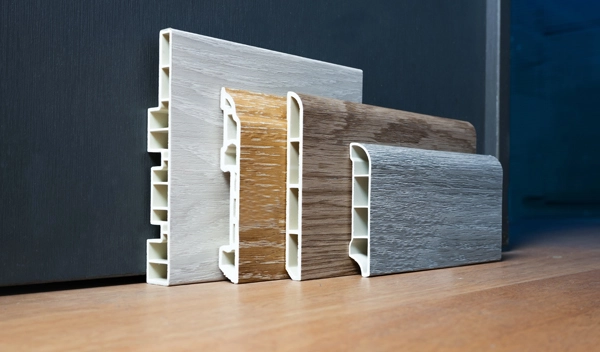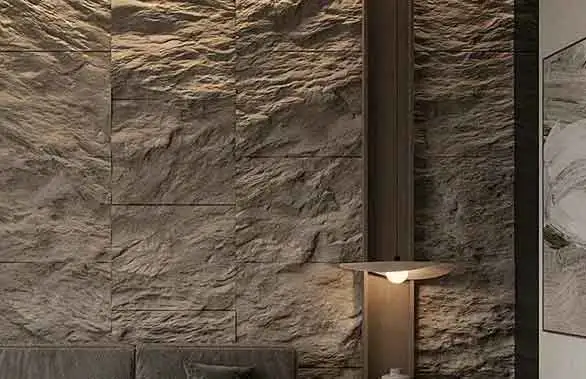
Stone Plastic Composite (SPC) flooring has revolutionized the vinyl industry with its rigid core and 100% waterproof stability. While most buyers are familiar with the term, choosing between different SPC flooring types—such as Single-layer, ABA core, or EIR—can be challenging. This guide breaks down the technical differences, costs, and best applications for the 4 most popular types on the market today.
Stone plastic composite (SPC) flooring is undoubtedly the most popular flooring in recent years. Its large size allows SPC flooring to better adapt to temperature variations. Most people know there are four common types of SPC flooring on the market today, but what exactly distinguishes these types?
Advantages:
1. 100% waterproof
2. Low installation cost - DIY is very affordable, or professional installation can significantly save on labor and materials. Professional tile installation typically costs between $5-10 per square foot, while SPC is $1.50-2 per square foot.
3. Easy to install – The click system makes it easy to install with minimal tools, waiting time, and effort
4. Great appearance – There are countless patterns, colors, and textures to choose from to achieve the exact look and shade you want
5. Some are compatible with radiant heating
6. Eco-friendly – Avoids using real wood, protecting the earth’s natural resources, and can be recycled
7. Safe, better air quality – Free of formaldehyde, glue, benzene, and phthalates, which are common hazardous chemicals found in flooring
8. Some soundproofing – The combination of multiple layers in the material provides some natural soundproofing
9. Warranty – SPC usually comes with a good manufacturer’s warranty that increases with the thickness of the wear layer and plank core
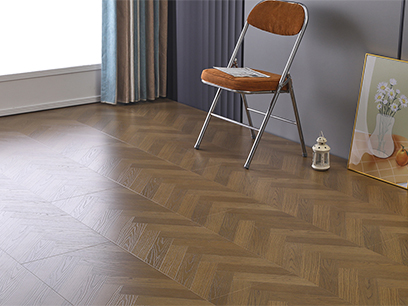
Regular single-layer SPC flooring is the most common, most affordable, and comes with quality assurance. It is suitable for some projects or commercial uses, such as halls, stores, etc. This kind of SPC flooring is also ideal for budget-conscious individuals.
Regular double-layer SPC flooring, also known as BA core or ABA core flooring. When you walk on this type of flooring, it feels better underfoot. Its sand wedge structure makes the flooring more stable. The cost is 5% to 20% higher than single-layer SPC flooring. Homeowners usually prefer this type with embossed faux wood flooring that comes with EVA or IXPE foam backing.
EIR (Embossed in Register) SPC flooring goes through embossing treatment, making it look just like real wood flooring. This is the most high-end SPC flooring available on the market. Its cost is 20% to 50% higher than double-layer SPC flooring. Additionally, it looks aesthetically pleasing and realistic, making it very suitable for homeowners with pets.
The last type of SPC flooring has a very hard surface, utilizing aluminum oxide technology to increase its surface hardness by 30%-80% compared to ordinary double UV-coated flooring. This is very suitable for households with pets and babies, or for high-traffic commercial areas.
Note that all types of SPC flooring can add padding, EVA, or IXPE foam to increase comfort when walking on the floor. SPC flooring will become very popular in the coming years, and I am confident that the new ultra-hard flooring will satisfy you, your children, pets, and clients.
Not all SPC (Stone Plastic Composite) floors are engineered the same. Depending on the core construction and surface treatment, the performance varies significantly in terms of stability, aesthetics, and durability. Whether you are managing a high-traffic commercial renovation or a luxury residential build, understanding these 4 popular SPC flooring types is essential for long-term ROI.
| SPC Flooring Type | Core Structure | Relative Cost | Best Application | Scratch Resistance |
| Standard Single-Layer | Mono-core (Solid Extrusion) | $ (Economic) | Commercial Halls, Rental Units | Standard (UV Coating) |
| ABA Core (Sandwich) | 3-Layer (Vinyl + SPC + Vinyl) | $$ (Mid-range) | Master Bedrooms, Living Rooms | High (Enhanced Stability) |
| EIR Finish (Embossed) | Synchronized Wood Grain | $$$ (Premium) | Luxury Hotels, High-end Homes | High (Realistic Texture) |
| Ultra-Hard Surface | Aluminum Oxide Technology | $$$ (Technical) | Pets, Kids, High-Traffic Retail | Extreme (Anti-Scratch) |
Single-Layer SPC: The most cost-effective solution. It features a high-density lime-stone core that offers maximum indentation resistance for heavy furniture.
ABA Core (Double-Layer): This "sandwich" structure significantly improves the foot feel and reduces the brittle nature of standard SPC, making it ideal for residential comfort.
EIR (Embossed in Register): The peak of flooring aesthetics. The 3D texture is physically embossed into the wear layer to match the decorative film's grain exactly.
Ultra-Hard Surface: By infusing the UV layer with aluminum oxide particles, we increase the surface hardness by up to 80%, making it virtually immune to pet claws and micro-scratches.
Understanding the manufacturing process of Stone Plastic Composite (SPC) flooring explains why it is far more stable and durable than traditional LVT. Unlike older generations of vinyl, SPC is produced through a high-tech, non-foaming extrusion process.
Here is the step-by-step breakdown of how RIVER manufactures high-quality SPC planks:
Step 1: Raw Material Mixing
The foundation of SPC is its rigid core. We combine natural limestone powder (calcium carbonate), PVC resin, and specialized stabilizers. The high ratio of limestone (typically 70-80%) is what gives the floor its "stone-like" rigidity and 100% waterproof properties.
Step 2: High-Temperature Extrusion
The mixed materials are fed into a twin-screw extruder. Under intense heat and pressure, the materials are fused into a continuous solid sheet.
Technical Note: Unlike traditional LVT, no foaming agents are added during this stage. This results in a superior core density of 2100–2250 kg/m³, providing unmatched indentation resistance.
Step 3: Calendar Layering & Lamination
While the core is still hot, the decorative film (wood or stone grain) and the high-performance wear layer are applied. Using a multi-roller calendaring system, these layers are thermally fused to the core. This "heat-bonding" method ensures the layers will never delaminate, even in high-temperature environments.
Step 4: UV Coating & Tempering
After lamination, the planks pass through a UV coating line. This top layer provides scratch resistance and anti-staining properties. The sheets then enter a tempering water tank, which cools the material slowly to ensure dimensional stability, preventing the floor from warping or shrinking after installation.
Step 5: Precision Cutting & Click Profiling
Finally, the large sheets are cut into individual planks. We use high-precision automated machines to mill the Click-Lock system (such as Unilin or Valinge). This ensures every plank fits together perfectly for a seamless, DIY-friendly installation.
What does ABA core mean in SPC flooring, and is it better than standard SPC?
ABA core refers to a premium three-layer sandwich structure: a rigid SPC (Stone Plastic Composite) core encapsulated between two layers of high-quality PVC vinyl.
The Benefit: Standard SPC can sometimes be too brittle. The "ABA" structure adds flexibility and superior dimensional stability. This results in a floor that is more comfortable to walk on, provides better sound absorption, and is significantly less prone to warping or telegraphing over uneven subfloors. It is the gold standard for high-end residential projects.
Is EIR (Embossed in Register) flooring worth the extra cost?
Yes, if you are looking for the most realistic wood alternative. EIR (Embossed in Register) is a high-end manufacturing process where the surface texture is physically synchronized with the wood grain pattern of the decorative film.
The Difference: Unlike standard embossed floors where the texture is random, EIR allows you to feel the knots and grains exactly where you see them. This creates a tactile experience that is virtually indistinguishable from real hardwood, adding significant aesthetic value and "luxury feel" to hotels and premium homes.
Which type of SPC flooring is best for households with pets?
For homes with active pets or heavy furniture, we highly recommend Ultra-Hard Aluminum Oxide SPC flooring.
The Science: While all SPC is scratch-resistant, our Ultra-Hard series features a top layer infused with aluminum oxide particles—the same material used in industrial abrasives. This increases the surface hardness by 30%–80% compared to standard UV-coated floors. It provides maximum protection against deep scratches from large pet claws and micro-scratches from daily wear, ensuring your floor maintains its "new" look for years.