When comparing SPC flooring quotations, two numbers often appear next to each other: the total plank thickness and the wear layer thickness. They sound similar, but they do very different jobs. A 6mm SPC plank is not automatically more wear-resistant than a 4mm plank, and a 20 mil wear layer does not mean the whole floor is 20 mil thick.
RIVER currently supports SPC flooring in the 4–6mm thickness range with 0.3mm, 0.5mm and 0.7mm wear layer options. The right combination depends on traffic level, click-lock construction, attached backing, finished floor height and the requirements of the project—not simply choosing the largest number.
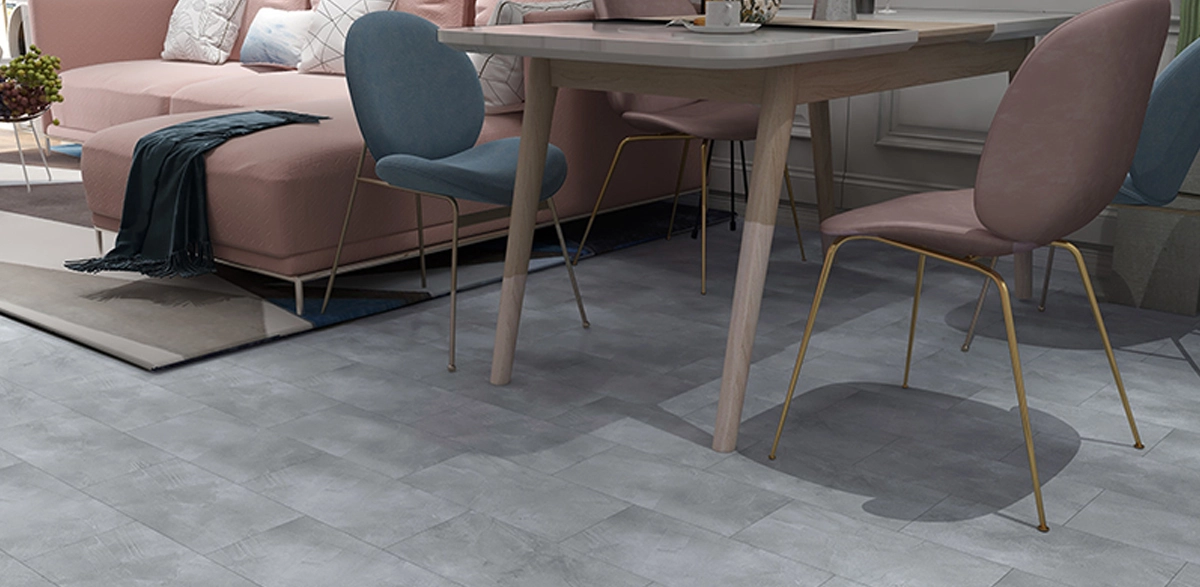
The correct SPC specification depends on how the space will actually be used.
Think of an SPC plank as a layered system. The overall thickness describes the plank construction, while the wear layer is the transparent protective layer positioned above the decorative film.
Usually discussed as 4mm, 5mm, 6mm or another overall construction thickness.
It influences plank profile, floor build-up height, rigid-core thickness, click-lock geometry and how the flooring fits transitions, doors and adjacent surfaces.
Usually expressed as 12 mil, 20 mil, 28 mil or in millimeters such as 0.3mm, 0.5mm and 0.7mm.
Its primary job is to protect the printed design underneath from everyday surface wear, scuffing and repeated foot traffic.
A common source of confusion is the word mil. A mil is not a millimeter. One mil equals 0.001 inch, or approximately 0.0254mm.
| Wear Layer | Approx. Millimeters | Typical Specification Direction |
| 12 mil | About 0.30mm | Residential and lower-traffic project specifications |
| 20 mil | About 0.51mm | Busy residential and many commercial specifications |
| 28 mil | About 0.71mm | Higher-wear project specifications where a thicker protective layer is requested |
The metric equivalents are approximate. RIVER's common production options are 0.3mm, 0.5mm and 0.7mm rather than specifying the product only by converted mil values.
A thicker plank and a thicker wear layer solve different problems. That is why two SPC floors with very different overall thicknesses can still use the same 20 mil wear layer.
For example, Shaw Floors currently lists an SPC product with a 4.4mm plank thickness and 20 mil wear layer. Other SPC products from the same manufacturer use thicker overall constructions while retaining the same 20 mil surface specification.
See a real specification example from Shaw Floors.
Moving from 4mm to 5mm or 6mm changes the overall floor construction, but it should not be treated as a simple durability ranking. The wear layer, core quality, click profile, backing and installation condition still matter.
| Total Thickness | What It Can Offer | Where It Often Makes Sense | What Still Needs Checking |
| 4mm SPC | Lower finished build-up and an efficient rigid-core format | Apartments, renovation projects, rental housing and projects with floor-height constraints | Wear layer, click-lock strength, subfloor flatness and whether backing is included |
| 5mm SPC | More construction depth while remaining relatively easy to integrate into typical interior projects | Busy homes, apartments, offices, hospitality and mixed residential/commercial programs | Whether the quoted 5mm includes IXPE/EVA pad or refers only to the flooring body |
| 6mm SPC | A thicker overall construction that may allow a more substantial core/backing combination | Larger residential projects, hospitality, office and commercial specifications requiring a thicker floor build-up | Wear layer, backing thickness, doors, transitions and finished floor level |
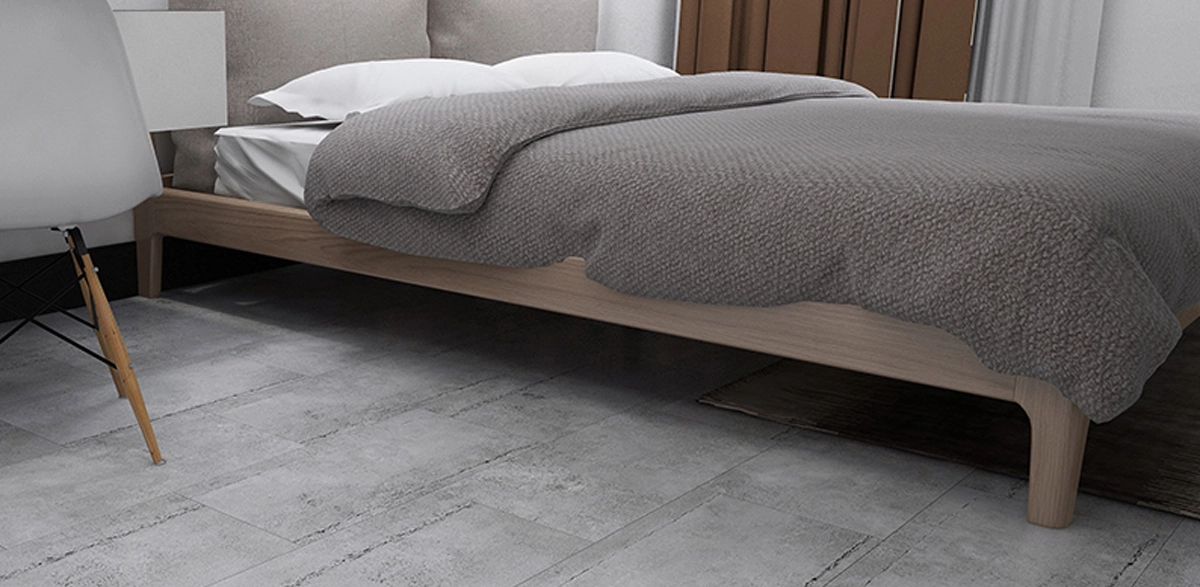
This is one of the most important details for importers and project buyers. Total plank thickness and surface wear protection can be specified independently within the manufacturer's available constructions.
That means a thinner SPC construction should not automatically be rejected for a busier project. Conversely, buying a 6mm plank does not automatically guarantee a thicker wear layer. The quotation must state both numbers.
Wear layer selection should follow expected foot traffic and the complete product specification. A thicker wear layer generally provides more material above the decorative print to absorb long-term surface wear, but coating technology, maintenance and actual use conditions also affect performance.
A practical starting point for many residential specifications.
Often considered for bedrooms, living areas, apartments, rentals and lower-traffic commercial spaces when the complete floor specification is appropriate.
A common step up for heavier everyday traffic.
Frequently specified for busy homes, offices, retail and other commercial environments where additional wear-layer depth is required.
A thicker wear-layer option for demanding project specifications.
It can be considered for high-use commercial projects, but the final use classification should still be checked against the actual product warranty and test data.
Instead of asking whether 4mm, 5mm or 6mm is "best", it is more useful to compare complete combinations. The examples below show how buyers can think about specifications; they are not universal use classifications.
| Example Specification | Possible Project Direction | Why a Buyer Might Choose It |
| 4mm + 12 mil | Residential / rental / moderate traffic | Keeps overall floor build-up relatively low while providing a standard residential wear-layer specification |
| 4mm + 20 mil | Projects needing low profile plus greater surface wear protection | Demonstrates why total thickness and wear resistance should not be treated as the same specification |
| 5mm + 20 mil | Busy residential / hospitality / office | Balanced overall construction with a commonly specified commercial-oriented wear layer |
| 6mm + 20 mil | Larger interior projects / commercial specifications | Thicker construction combined with a robust wear-layer specification |
| 6mm + 28 mil | Higher-wear project requirements | Useful when the specification calls for both a thicker overall construction and a thicker protective wear layer |
Final suitability should be based on the specific product construction, test results, warranty, installation system and actual traffic conditions.
When comparing two supplier quotations, check whether the stated thickness includes the attached acoustic backing.
For example, a supplier may describe a construction as 4mm SPC + 1mm IXPE, while another quotation may simply show a total assembled thickness. Those quotations should not be compared until the core, wear layer and pad have been separated.
RIVER's SPC production options include pre-attached IXPE or EVA backing, so buyers should state both the required flooring-body thickness and backing thickness when requesting a project specification.
Attached backing should be treated as a separate part of the construction. It can influence installation build-up, underfoot feel and impact-sound behavior, but it does not replace the wear layer and should not be confused with the rigid SPC core.
A price per square meter is difficult to compare unless both suppliers are quoting the same construction.
RIVER's current SPC manufacturing information lists a customizable thickness range of 4mm to 6mm, together with 0.3mm, 0.5mm and 0.7mm wear layer options. Pre-attached IXPE or EVA backing is also available for selected constructions.
Buyers can also review RIVER's SPC flooring production process to see how the rigid core, decorative film, wear layer, UV coating, click profile and optional backing are combined during manufacturing.
For available products, colors and project specifications, visit RIVER SPC Flooring.
Choose SPC thickness for the overall floor construction you need, and choose the wear layer for the level of surface wear the project is expected to receive. Then confirm backing, click system, surface coating and product testing before comparing price.
Tell RIVER your project type, expected traffic, target floor height, wear layer, backing requirement and order quantity. We can help confirm available 4–6mm SPC constructions and 0.3mm, 0.5mm or 0.7mm wear-layer options before sampling.
Request SPC Samples & Specifications